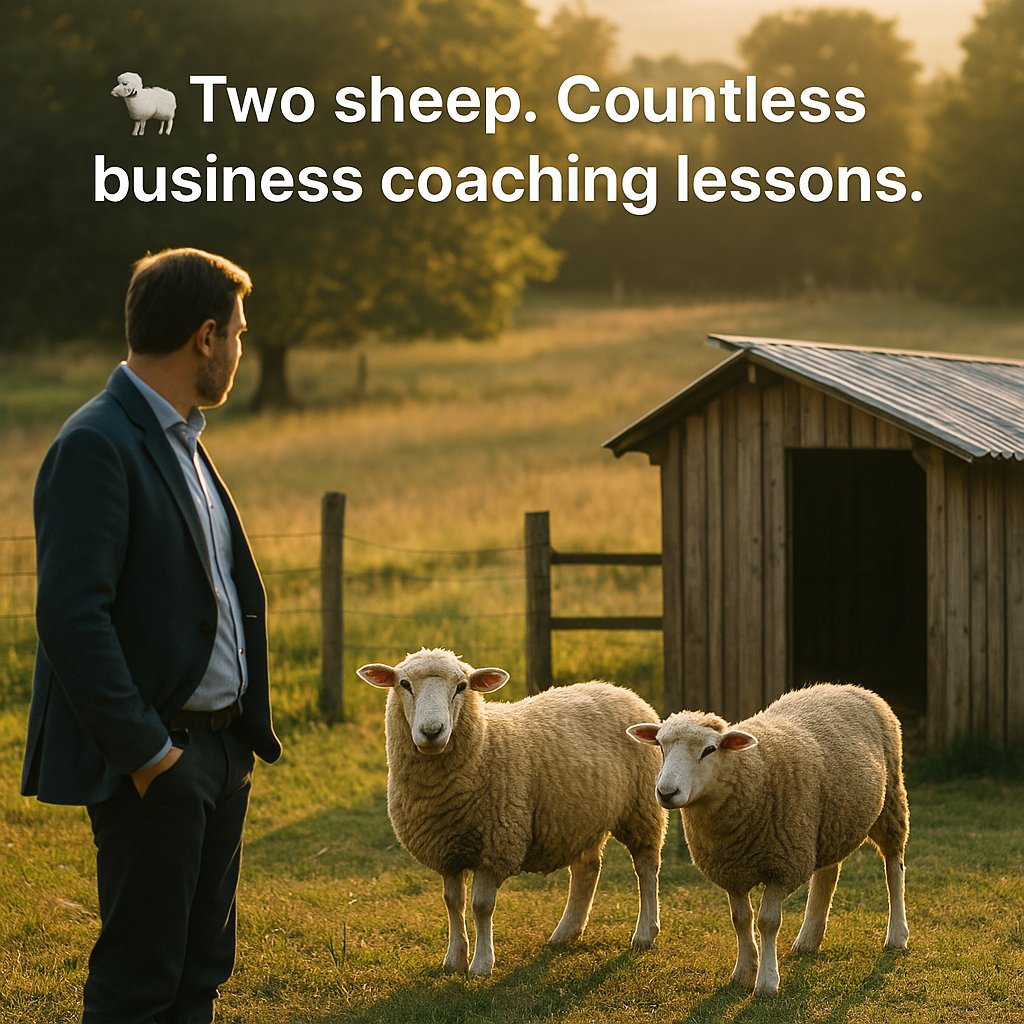

As I stepped outside my office this morning, I was struck by the sheer beauty of nature preparing itself for another cycle of growth. The blossom trees, the willow swaying in the breeze—it all served as a vivid reminder that growth follows a pattern, a roadmap that nature itself has mastered over millions of years. And it got me thinking: if nature follows a roadmap for success, why shouldn’t we do the same in our businesses?
Growth doesn’t happen by accident. Just as nature carefully prepares each season to ensure the cycle continues, we as business owners must create our own strategic roadmaps. Without a clear plan, businesses can quickly become stagnant or, worse, start heading in the wrong direction. Let’s break down the essential elements of a roadmap to success that you can use to scale and sustain your business.
Step 1: Define the Destination – The Treasure Map
Every journey begins with a destination in mind. In business, that means having absolute clarity on what success looks like. What is your ultimate goal? Increased revenue? Sustainable profits? A scalable operation that runs without constant firefighting? Before anything else, define your version of success.
A well-thought-out business plan should resemble a treasure map. The ‘X’ marks the spot where you want to be, and your current position is the starting point. Between these two points, there must be clear milestones that indicate progress. Visualise your end goal in detail—how it feels, what it looks like, and what it means for your business and life. A goal with emotional and visual weight is far more compelling than just numbers on a spreadsheet.
Step 2: Prepare for the Journey – The Strategic Plan
Nature doesn’t just hope for the best; it prepares meticulously. Seeds aren’t randomly scattered—they’re placed where they have the best chance to grow. Trees don’t bloom overnight; they store energy and wait for the right moment.
You need a strategy that outlines the steps to achieve your goals. This includes:
Actionable Steps: What needs to be done daily, weekly, monthly?Resources Required: What knowledge, skills, and finances are necessary?Potential Roadblocks: What challenges might arise, and how can they be navigated?
Without a clear and detailed strategy, businesses end up reacting to circumstances instead of driving their own growth.
Step 3: Build the Right Team – The Ecosystem for Success
Just as an ecosystem thrives with diverse species working together, businesses succeed when they have the right mix of people, skills, and expertise. No entrepreneur achieves greatness alone. One of the most critical aspects of success is assessing who is on your team and whether they are the right people to support your growth.
Ask yourself:
Do you have people who bring innovative ideas and fresh perspectives?Who is responsible for executing the plan and doing the heavy lifting?Are there gaps in skills that need to be filled?Do you have advisors or mentors who provide guidance and accountability?
A strong team isn’t just about hiring employees; it’s about surrounding yourself with the right mix of mentors, partners, and specialists who contribute to your business’s success.
Step 4: Monitor and Adapt – Tracking the Growth Cycle
The tree outside my office goes through a predictable pattern—buds appear, blossoms bloom, seeds develop, and then the cycle resets. But if the tree stops producing blossoms, I know something is wrong. The same principle applies to business.
Tracking progress is critical. Establish measurable metrics that help you assess whether you’re on course. Some key questions to ask:
Are you meeting your financial targets?Are your customers engaging and returning?Are your marketing efforts yielding results?Are you experiencing sustainable growth or just chasing short-term wins?
By regularly reviewing progress, you can make timely adjustments instead of waiting for problems to become crises.
Step 5: Stay Resilient – Weathering the Storms
Nature faces unexpected challenges—storms, droughts, and changing seasons. Businesses are no different. Economic shifts, industry changes, and unforeseen obstacles are part of the journey. The key is to anticipate challenges and build resilience.
To cultivate a mindset that embraces adaptation:
Stay flexible in your strategiesBe open to new opportunities and innovationsLearn from failures instead of fearing them
A strong business isn’t one that never faces challenges; it’s one that knows how to adapt and thrive despite them.
Bringing It All Together
Nature’s approach to growth is a powerful metaphor for business success. By following a structured roadmap—defining your goal, preparing strategically, assembling the right team, monitoring progress, and staying resilient—you can build a business that doesn’t just survive, but thrives and scales.
And just as I continue to explore strategies for growth, I’m excited to introduce my new podcast, ‘The Power Pages’. In it, I’ll be interviewing some of the top business authors of our time—Mike Michalowicz, Daniel Priestly, Marcus Sheridan, and more—to uncover the lessons and tactics that have shaped their success. If you’re looking for even more insights to support your entrepreneurial journey, be sure to follow along.
Finally, if you want to dive deeper into mapping out your own success, I’d love to connect. Schedule a no-sales-pitch conversation with me at www.timewithsimon.com and let’s design your very own treasure map to growth.
Until then, take a moment to appreciate the lessons nature provides. Growth is inevitable when the right conditions are in place. Let’s make sure your business is set up for success in the same way.
#SmartBusiness #ProfitFocused #RevenueToProfit #BusinessGrowthTips #StrategicGrowth #WorkSmarterNotHarder #BusinessMindset #ProfitOverRevenue #FinancialSuccess #GrowthMindset #SustainableBusiness #ThriveAndScale #BusinessTransformation #SterlingCoaching #BusinessCoaching #ThePowerPages #lessonsfromnature